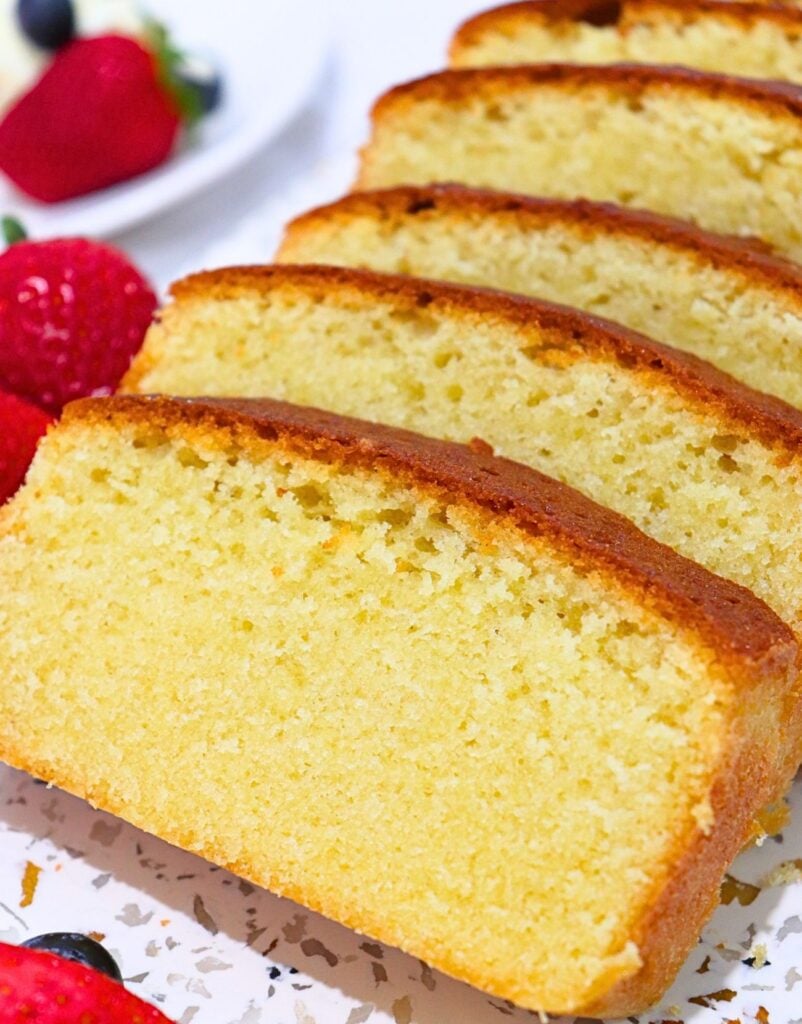
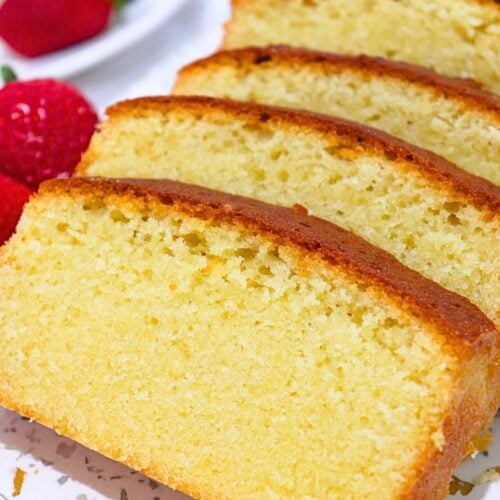
This classic pound cake recipe is incredibly soft, buttery, and perfectly dense, with a rich vanilla flavor in every bite! Made with simple ingredients, it’s an easy homemade pound cake that’s beautifully moist (say goodbye to dry, crumbly pound cake!) and perfect with a cup of coffee or tea!
What Is Pound Cake?
Pound cake is a classic butter cake that traditionally gets its name from its original ingredient ratios: one pound of butter, one pound of sugar, one pound of eggs, and one pound of flour. It’s known for its rich, buttery flavour and characteristically dense crumb.
Over the years, modern pound cake recipes have evolved, with slightly adjusted ingredient ratios and additions like milk, oil, cake flour, sour cream and leavening agents to create a softer, more moist texture while still keeping that signature buttery taste and density. And that’s exactly what we’re after in a good pound cake: rich and buttery, perfectly dense, but never dry!
About This Recipe
If you’ve made some of my other cake recipes like my vanilla cake, lemon cake or red velvet cake, you’ll know I usually love a really soft, light, and delicate crumb. But with pound cake, we’re looking for something a little different!
For this pound cake recipe, the goal was to create a cake with that classic buttery pound cake texture: beautifully dense, rich, and buttery, but still incredibly soft and moist. I didn’t want a light and fluffy vanilla cake, but I also definitely didn’t want a dry, heavy pound cake!
One of the things I’ve done differently is incorporate a little oil alongside the butter. Butter gives the cake its delicious richness and flavour, while the oil helps keep it moist. I’ve also included a little milk to bring everything together and cornstarch to help create a softer, more velvety crumb.
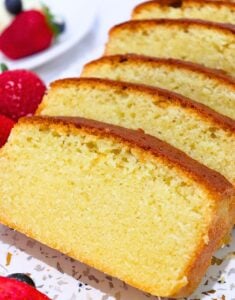
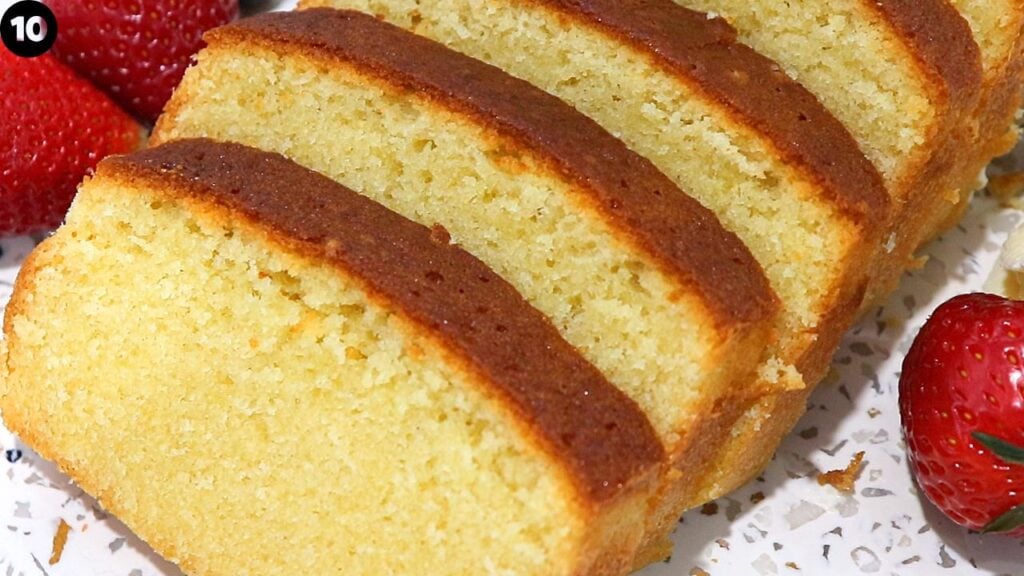
The result is a classic vanilla pound cake that’s perfectly balanced and honestly one of the best pound cakes I’ve had. It has that lovely dense texture you’d expect from a pound cake with a golden brown crust, but it’s still soft, moist, and easy to slice. SO good with a cup of coffee or tea!
Why You’ll Love This Recipe
No dry pound cake in sight: This pound cake recipe has a beautifully soft, moist crumb while still having that classic dense, buttery texture we all love in a good pound cake.
Rich vanilla flavour: Made with butter and vanilla, every bite is full of delicious, classic pound cake flavour.
Simple ingredients: No fancy ingredients or complicated techniques needed. Just a handful of pantry staples!
Easy to make: The batter comes together in one bowl with a mixer, making this a lovely, straightforward bake.
So versatile: Enjoy a slice on its own, with your morning coffee, or dress it up with fresh berries, whipped cream, or your favourite toppings for dessert!
How to Make Pound Cake
You can find the full recipe, including the list of ingredients for this pound cake recipe in the recipe card at the bottom of the post (for easy navigation, hit the ‘jump to recipe’ button at the top of the blog post). Here is just a quick visual breakdown of the recipe (recipe video is also provided in the recipe card below).
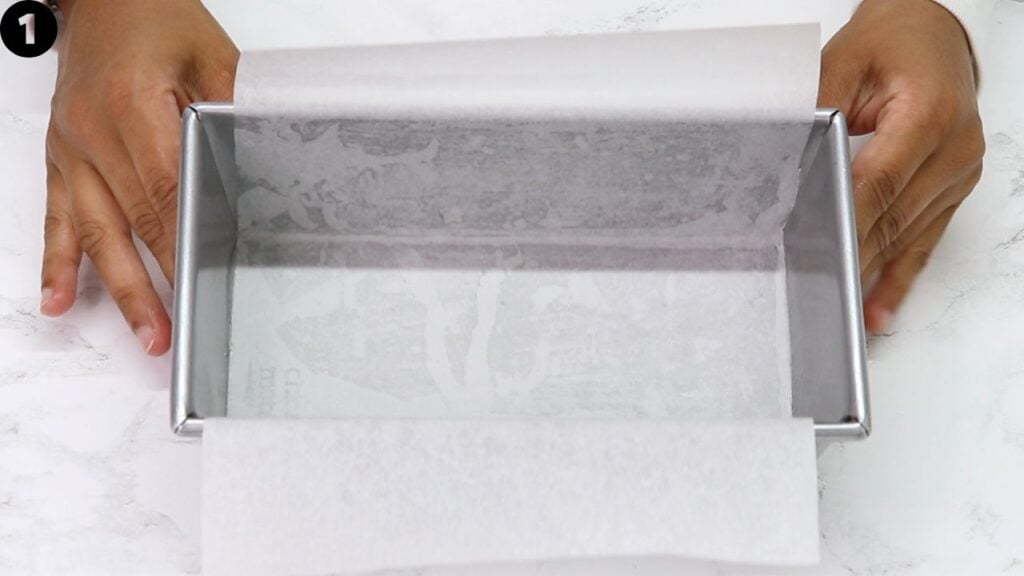
Preheat your oven to 350°F (180°C) conventional. Lightly grease an 8.5 x 4.5-inch loaf pan (I use cooking spray), then line it with parchment paper, leaving some overhang on the sides to make it easier to lift the cake out later.
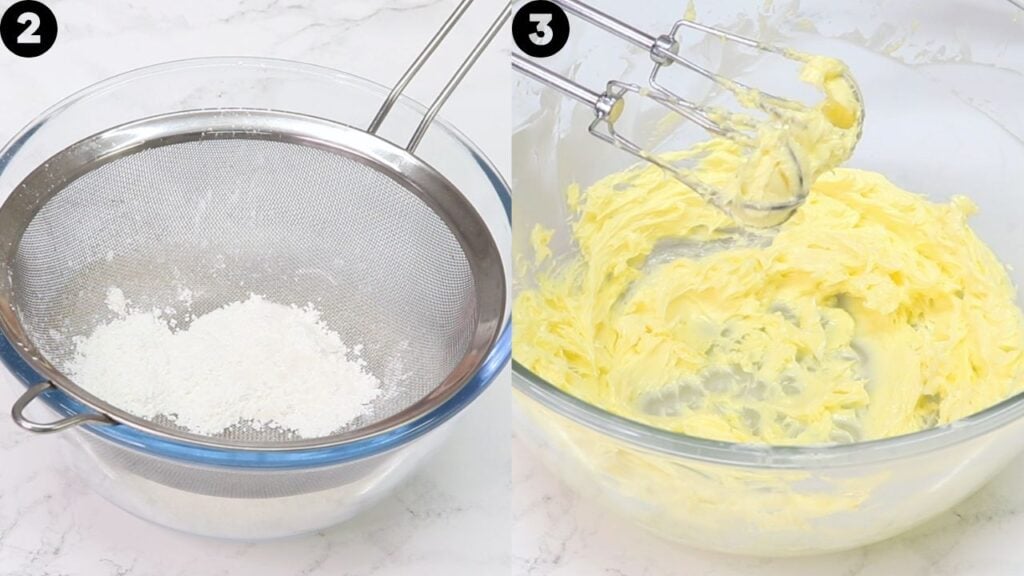
In a medium bowl, sift together the flour, cornstarch, baking powder, and salt. Whisk everything together until evenly combined, then set aside.
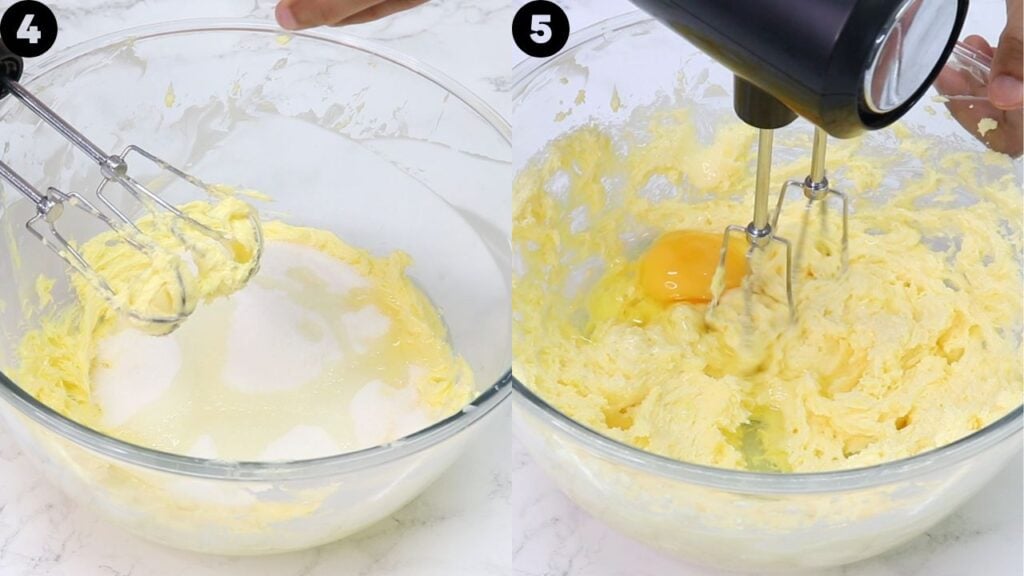
In a large bowl, add the unsalted butter and beat using a hand or stand mixer on medium speed for about 1 minute, until smooth and creamy. Add the sugar and oil, then continue beating for another 2 minutes, until the mixture is light and creamy.
Next, add the room temperature eggs one at a time, mixing on low speed after each addition until just incorporated before adding the next egg. This helps keep the batter smooth and well combined.
Add the milk and vanilla extract/essense, then mix on low speed until everything is well combined.
Add the sifted dry ingredients to the wet mixture and mix on low speed until just combined. Be careful not to overmix the batter. As soon as you no longer see any large streaks of flour, stop mixing. You can use a spatula to scrape the bottom of the bowl to ensure everything is evenly mixed, but again, do not overmix! 🙂
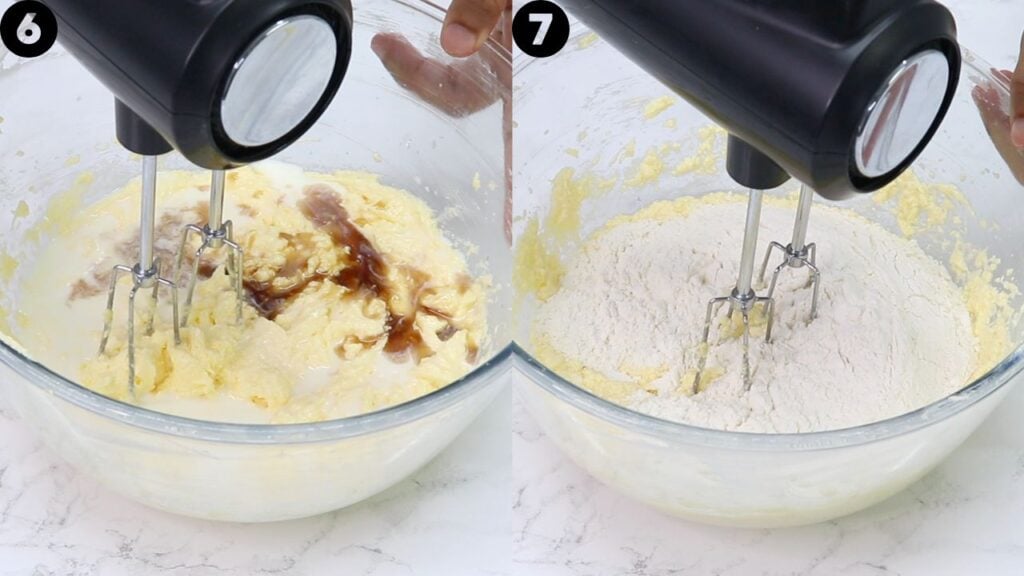
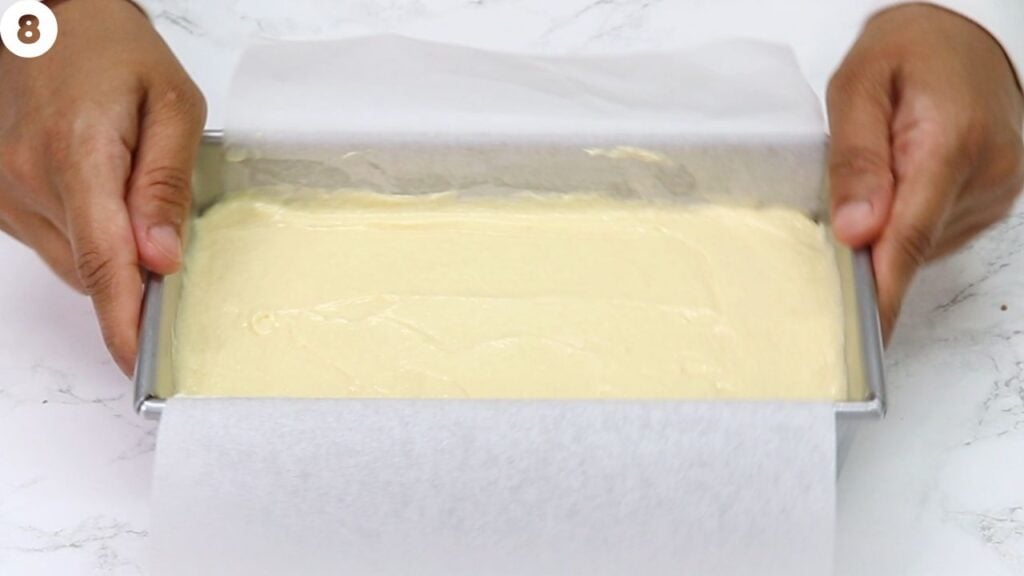
Pour the pound cake batter into your prepared loaf pan and spread it into an even layer. Gently tap the pan on the counter once to help settle the batter and get rid of any large air bubbles.
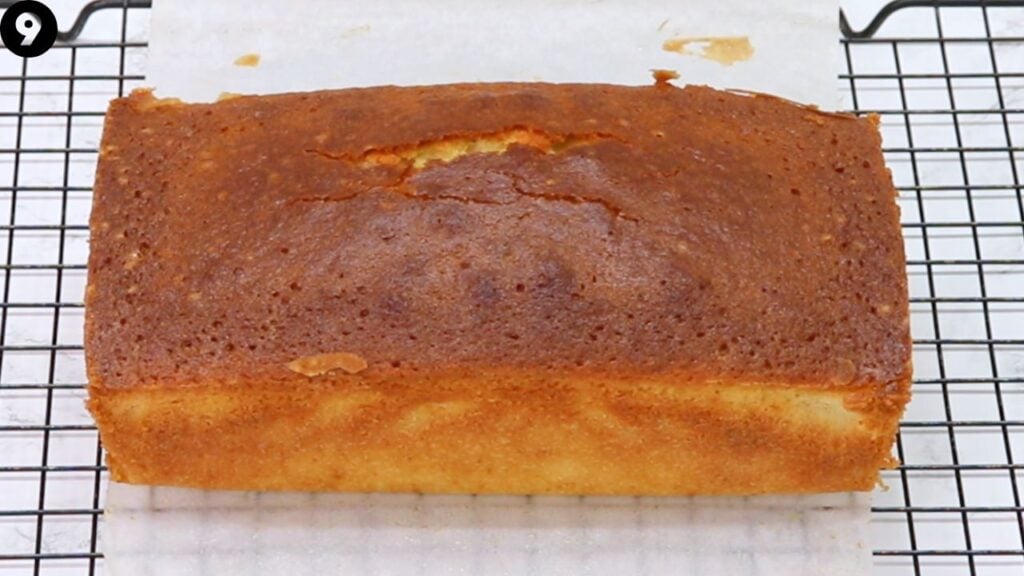
Bake for 60 minutes, or until a long wooden skewer or thin knife (a usual toothpick won’t be long enough!) inserted into the centre comes out clean or with a few moist crumbs attached. The bake time can vary slightly for different ovens, so bake a little more if needed. If you notice the top overbrowning and beginning to burn, lightly tent the top of the pound cake with foil.
Allow the pound cake to cool in the pan for about 20 minutes before running a thin knife along the edges of the pan not lined with parchment, then use the overhanging paper to lift the loaf out of the pan and place it on a wire rack to cool completely.
Once cooled, slice and serve as is or with homemade whipped cream and fresh fruit like strawberries on the side!
How to Store Pound Cake
Store your pound cake in an airtight container at room temperature for up to 3 days or in the fridge for up to 1 week. If refrigerating, make sure it’s stored in an airtight container to prevent it from drying out. Allow slices to come to room temperature before serving, as the butter in the cake will firm up in the fridge. You can also freeze this pound cake recipe for up to 3 months. Simply wrap the completely cooled cake or individual slices tightly in plastic wrap, then place in a freezer-safe container. Thaw at room temperature before serving.
Frequently Asked Questions
Why did my pound cake turn out dry?
The most common reasons are overbaking or adding too much flour to the batter. Make sure you’re measuring your ingredients accurately (I recommend using the gram measurements provided as using a measuring cup can be inaccurate), and keep an eye on the cake towards the end of baking. A skewer inserted into the centre should come out clean or with a few moist crumbs attached. You don’t want to leave it in the oven any longer than necessary!
Why did my pound cake sink in the middle?
This usually happens when the cake hasn’t baked for long enough and the centre hasn’t had a chance to set properly. Make sure you’re checking the very centre of the cake before taking it out of the oven. Opening the oven door too early can also affect how the cake rises, so try to leave it closed while the cake is baking.
Why does pound cake crack on top?
Don’t worry, this is completely normal! Pound cakes are known for their golden, slightly domed tops with a crack running down the centre. As the cake bakes, the outside sets before the middle, and the batter continues rising and eventually cracks through the top. It’s all part of the charm of a homemade pound cake!
Is pound cake supposed to be dense?
Yes! Pound cake is traditionally denser than a regular vanilla cake, thanks to its rich butter-based batter. However, dense doesn’t mean dry or heavy. This pound cake recipe has a beautifully soft and tender crumb while still keeping that classic pound cake texture.
Why does my pound cake have a gummy streak?
A gummy or dense streak running through the middle of your pound cake is usually a sign that the batter wasn’t evenly mixed or the cake hasn’t baked through completely. Make sure your butter is properly softened before creaming, add the eggs one at a time, and avoid overmixing once you add the dry ingredients. Also, check that your oven is at the correct temperature and that a skewer inserted into the centre comes out clean or with a few moist crumbs before removing the cake.
Moist Pound Cake Recipe (Soft & Buttery!)
Print Pin VideoIMPORTANT: For accuracy, I would recommend using the gram measurements provided, as those are the exact quantities I use. Cup measurements are given as estimates (based on US cup measurements) to make it easier for those who do not have a scale.
Ingredients
- 1¼ cups (150 g) all-purpose flour
- 3 tbsps (22 g) cornstarch
- ½ tsp salt - omit if using salted butter
- ½ tsp baking powder
- ¾ cup (170 g) unsalted butter - room temperature (see note 1)
- 1¼ cups (250 g) white granulated sugar
- 1½ tbsps (19 g) unflavored vegetable oil - I use canola oil
- 3 large eggs - room temperature
- ¼ cup (60 g) whole milk - room temperature
- 2 tsps vanilla extract/essence
Instructions
- Preheat your oven to 350°F (180°C) conventional (see note 2 if using a convection oven). Lightly grease an 8.5 x 4.5-inch loaf pan, then line it with parchment paper, leaving some overhang on the sides to make it easier to lift the cake out later.
- In a medium bowl, sift together the flour, cornstarch, baking powder, and salt. Whisk everything together until evenly combined, then set aside.
- In a large bowl, add the unsalted butter and beat using a hand or stand mixer on medium speed for about 1 minute, until smooth and creamy. Add the sugar and oil, then continue beating for another 2 minutes, until the mixture is light and creamy.
- Next, add the eggs one at a time, mixing on low speed after each addition until just incorporated before adding the next egg.
- Add the milk and vanilla, then mix on low speed until everything is well combined.
- Add the sifted dry ingredients to the wet mixture and mix on low speed until just combined. Be careful not to overmix the batter (see note 3). As soon as you no longer see any large streaks of flour, stop mixing. You can use a spatula to scrape the bottom of the bowl to ensure everything is evenly mixed, but again, do not overmix! 🙂
- Pour the batter into your prepared loaf pan and spread it into an even layer. Gently tap the pan on the counter once to help settle the batter and get rid of any large air bubbles.
- Bake for 60 minutes, or until a skewer or thin knife inserted into the centre comes out clean or with a few moist crumbs attached. If you notice the top overbrowning and beginning to burn, lightly tent the top of the pound cake with foil.
- Allow the pound cake to cool in the pan for about 20 minutes before running a thin knife along the edges of the pan not lined with parchment, then use the overhanging paper to lift the loaf out of the pan and place it on a wire rack to cool completely.
- Once cooled, slice and serve as is or with homemade whipped cream and fresh fruit like strawberries on the side!
Video

Notes
Nutrition
Nutritional information are estimates only as they are automatically calculated by a third party application. Actual values may differ based on brands and types of products used.