

This classic vanilla Bundt cake recipe is rich, dense, and super moist, with pure buttery goodness in every bite! It has a deep vanilla flavor, a perfectly tender crumb, and is topped with a simple vanilla glaze that adds just the right touch of sweetness. I promise you’re going to love it!

Why You’ll Love This Recipe
When I finally perfected this Bundt cake during recipe testing, my taste testers went absolutely wild for it! Here’s why they loved it – and why I think you will too:
Moist & Tender Texture: Bundt cakes can often turn out dry because of their longer baking time. But this recipe is a game-changer! The combination of butter, oil, and the secret ingredient – cream cheese – ensures a beautifully moist cake that stays tender even after baking. It also has a slightly dense texture, similar to a pound cake or my lemon loaf cake, but fluffier, which adds to the rich flavor you get with every bite.
Incredible Flavor: Vanilla cakes can sometimes be a bit plain, but this vanilla Bundt cake is anything but! With heaps of butter, extra vanilla (a whole tablespoon worth!), and the added richness from cream cheese, this cake packs a flavor punch. Honestly, it might even outshine one of my most popular recipes on the blog, my Soft Vanilla Cake, which has over 350 five-star reviews. The cream cheese adds a unique depth without overpowering the classic vanilla flavor – it’s that subtle, irresistible twist you didn’t know you needed!
Easy to Make: With just a hand mixer and a few easy steps, this recipe comes together seamlessly! Using the classic creaming method, it’s straightforward to follow and delivers a beautifully moist, dense, yet wonderfully fluffy Bundt cake every time.
Whether you’re after a show-stopping dessert or a simple cake for a snack or afternoon tea, this vanilla bundt cake won’t disappoint – I promise it’s better than any cake mix you can find!
How to Make Vanilla Bundt Cake
You can find the full list of ingredients in the recipe card at the end of the blog post (for easy navigation, hit the ‘jump to recipe’ button at the top of the blog post). Here is just a quick visual breakdown of the recipe (recipe video is also provided in the recipe card below).
Bundt Cake
Set your oven rack in the lower third of the oven and preheat oven to 180 °C (350°F) conventional. Very generously grease and flour a 12-cup bundt pan (10-cup bundt pan is okay too, just make sure there’s room at the top of the pan for the cake to rise), or use a baking spray or cake release that has flour in it (I use my homemade cake release to grease my pan). Set aside for now.
Sift together flour, cornstarch, salt, baking powder and baking soda. Using a whisk, mix until well combined. Set aside.
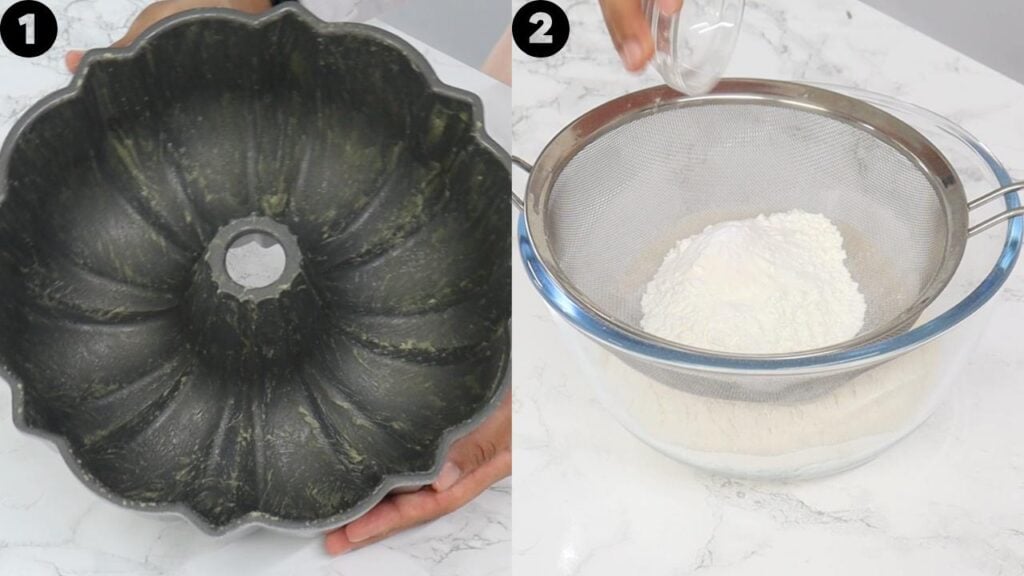
In a large bowl, cream together butter, oil and sugar for 3 mins on a medium-high speed until light and creamy. Do not overcream.
Next, add in cream cheese and mix on a low-medium speed until well combined. Scrape down the sides of the bowl as needed.
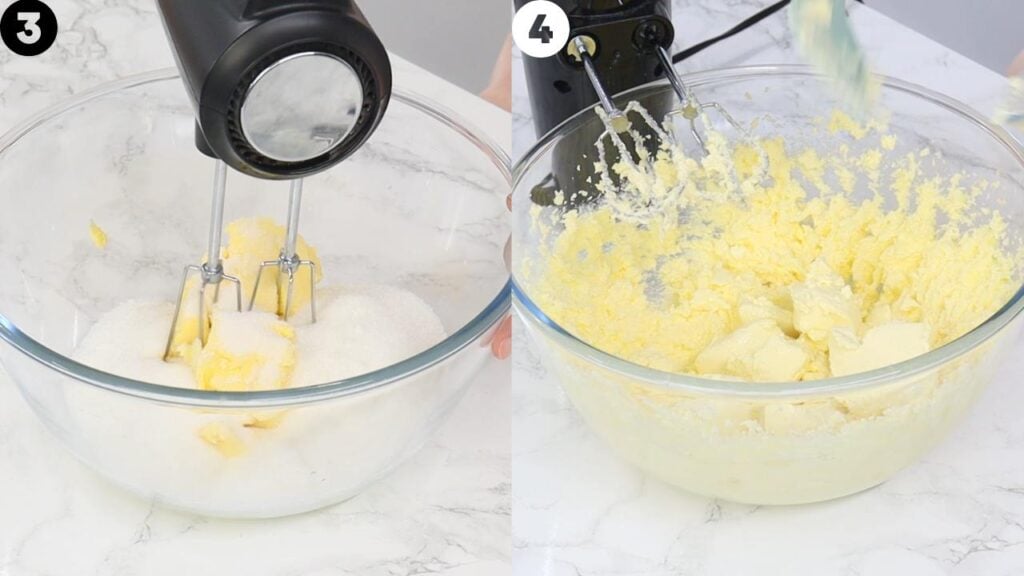
Next, add in the eggs two at a time, mixing on a low speed until each addition is well incorporated before adding the next. Continue until all 6 eggs are used.
Next, add in vanilla and mix on low until well combined. Remove any batter off the attachment/s as the rest of the mixing will be done by hand.
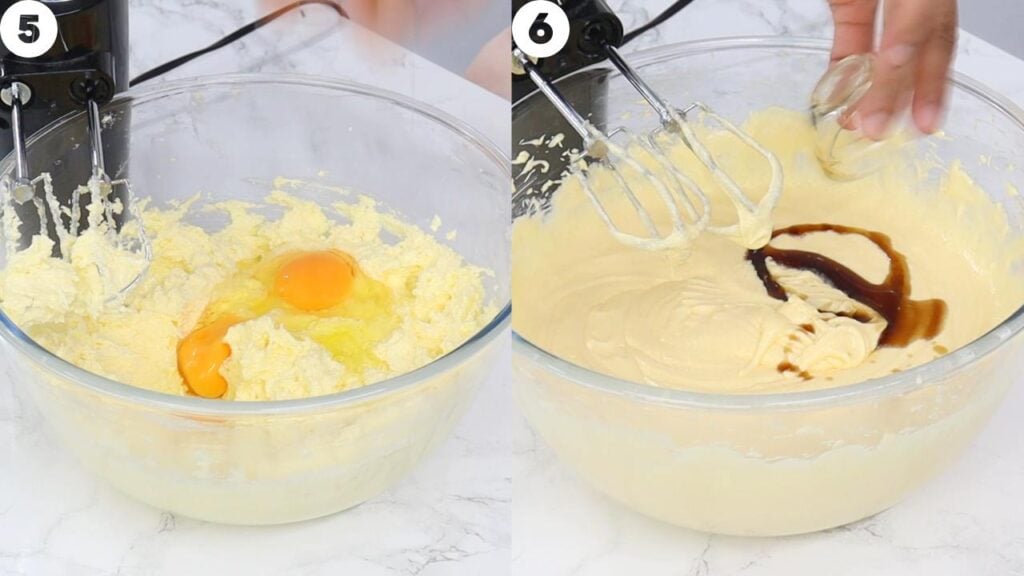
Add half of the presifted flour mixture to the wet ingredients, and fold with a spatula until just combined. Pour in the milk and fold again until just incorporated. Finally, add the remaining dry ingredients and fold until the batter is uniform, with no streaks of flour remaining. Be careful not to overmix.
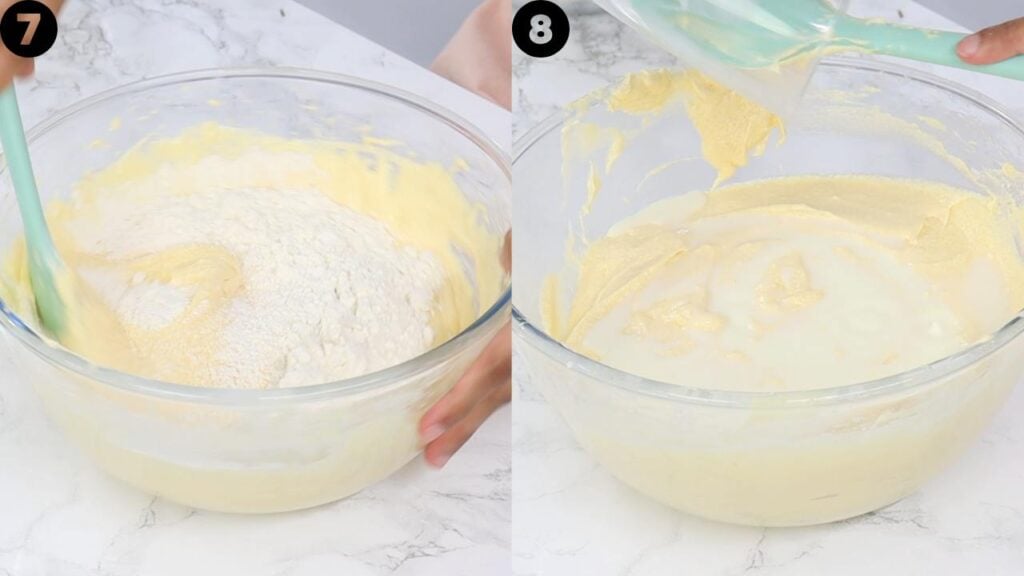
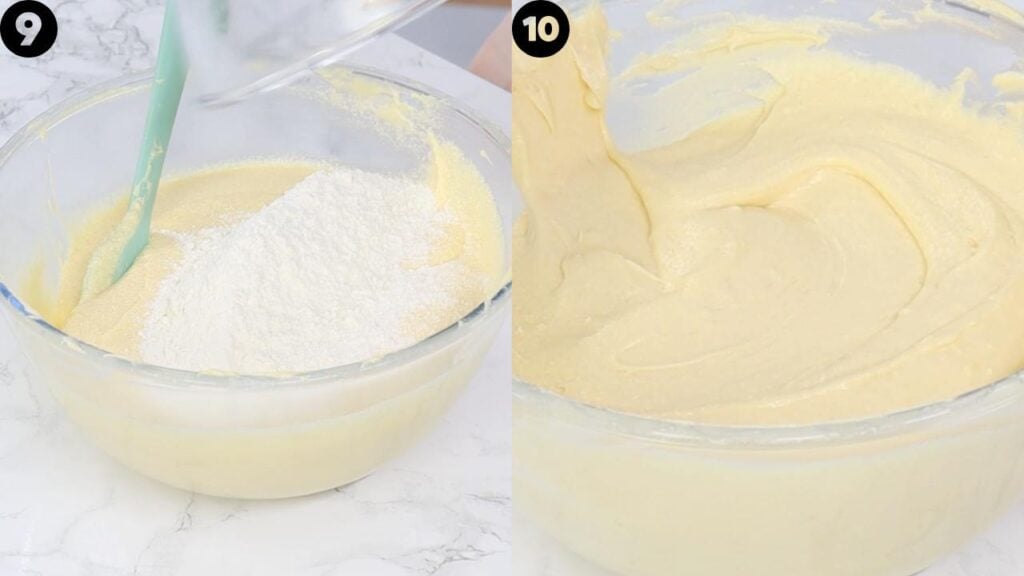
Pour the cake batter into the prepared bundt pan, smoothing the top as best you can. Give the pan a little shake to help the batter settle into all the corners, then tap it lightly on the counter twice to release any large air bubbles. Bake for 50–55 minutes, or until a skewer or thin knife (a toothpick will be too small) inserted into the thickest part of the cake comes out clean or with a few moist crumbs. I recommend checking the cake through the oven door at the 45-minute mark and if the top is browning too much, cover it loosely with aluminum foil for the remaining bake time.
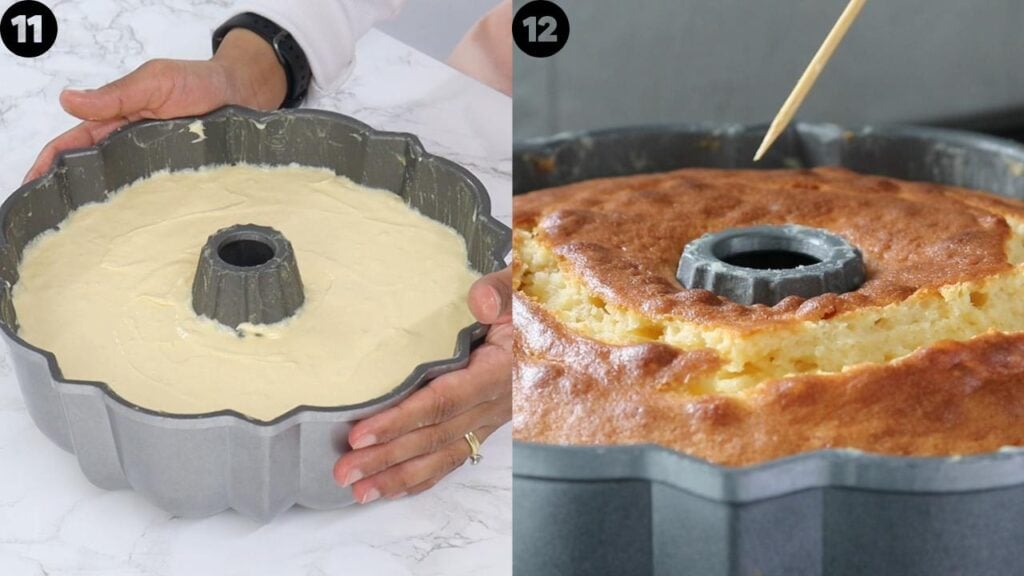
Once ready, allow the cake to cool in the cake tin for 45 minutes, before turning it out onto a wire rack to finish cooling.
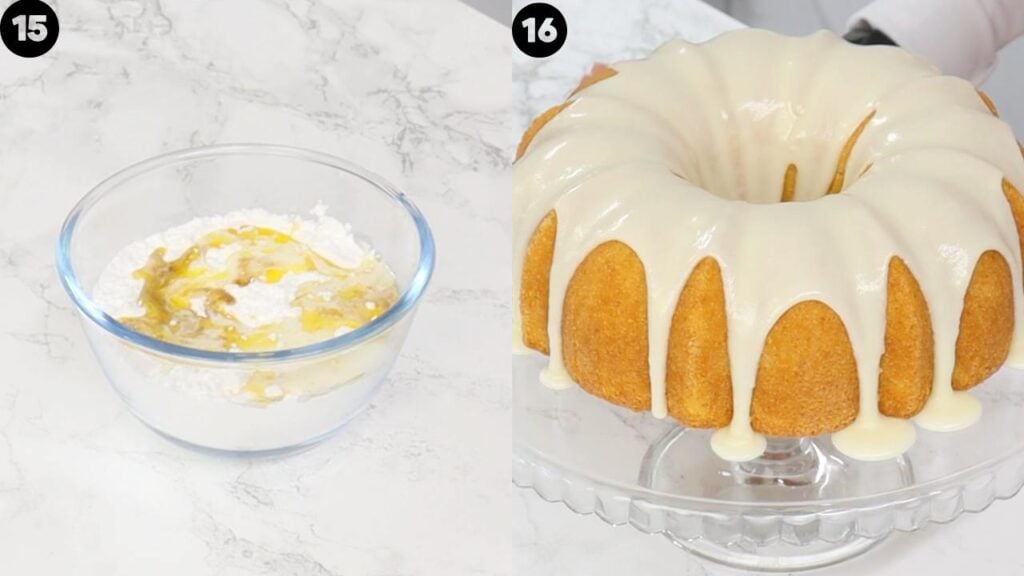
Vanilla Glaze: Once the cake has completely cooled, transfer it to your serving plate and prepare the glaze. Combine the powdered sugar, melted butter, vanilla and milk and stir until smooth and a very thick glaze forms (it should still be somewhat runny). If it’s too runny, add more powdered sugar. If it’s too thick, add more milk.
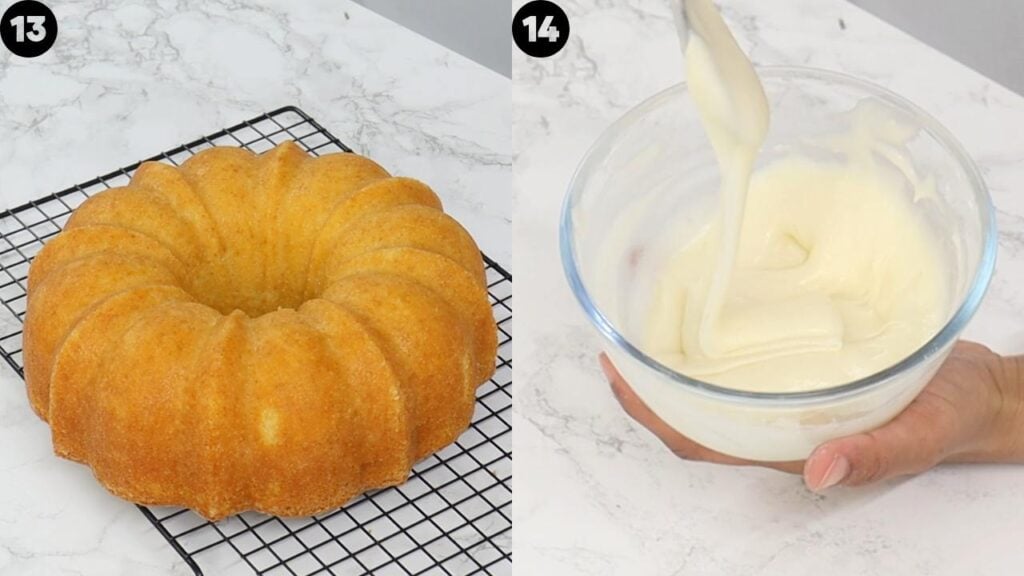
Pour the glaze evenly over the top of the cooled bundt cake. Allow to set for 30 minutes to an hour before slicing and serving. Enjoy!
How to Store Bundt Cake
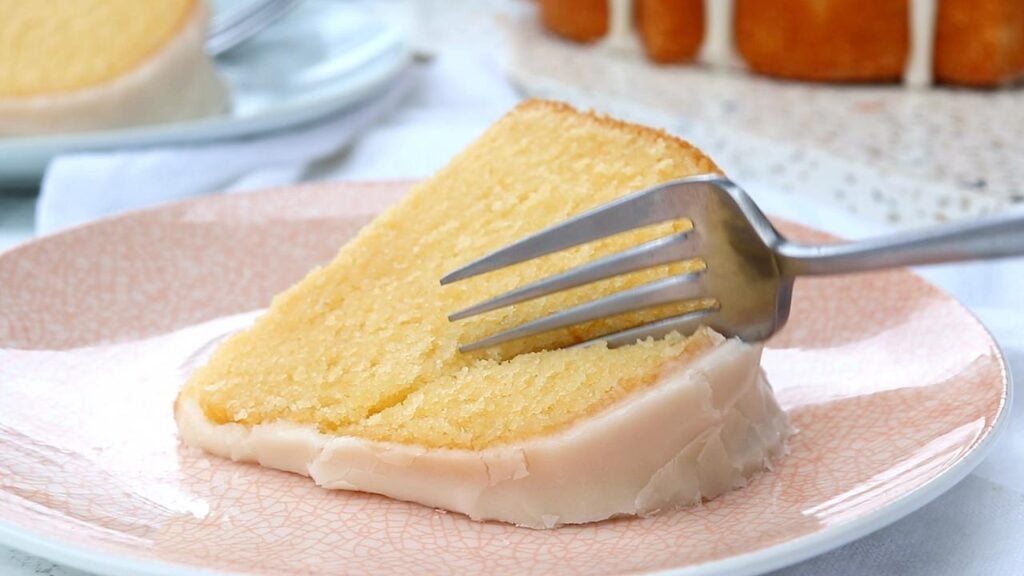
Store this Bundt cake at room temperature in an airtight container for a few days; after that, it’s best kept in the fridge for up to one week.
For longer storage, wrap individual slices in plastic wrap, place them in an airtight container, and freeze for up to 3 months.
Help! My Cake Stuck to the Bundt Pan – What Do I Do?
Don’t worry; we’ve all been there! If your cake is stuck in the pan, here are a few steps to help you rescue it:
Let it Cool a Bit More: If the cake is too warm, it might break apart when you try to remove it (I recently tried converting my favorite chocolate cake recipe into a Bundt cake, and it completely fell apart because I didn’t wait long enough for it to cool!). Allow it to cool in the pan for about 45 minutes before attempting to turn it out.
Gently Loosen the Edges: Use a butter knife or silicone spatula to carefully loosen the edges around the center and outer rim of the pan.
Try the Towel Method: Place a clean kitchen towel in the sink, and pour hot water over it until it’s damp but not dripping. Drape the warm towel over the bottom of the Bundt pan for about 5–10 minutes. The steam can help release the cake from the pan.

Classic Bundt Cake (Super Moist!)
Print Pin VideoIMPORTANT: For accuracy, I would recommend using the gram measurements provided, as those are the exact quantities I use. Cup measurements are given as estimates (based on US cup measurements) to make it easier for those who do not have a scale.
Ingredients
Vanilla Bundt Cake
- 2½ cups (300 g) all purpose flour
- ½ cup (60 g) cornstarch
- ½ tsp salt
- 1 tsp baking powder
- ¼ tsp baking soda
- 1 cup (227 g) unsalted butter - room temperature
- ¼ cup (52 g) unflavored vegetable oil - I use canola oil
- 2¼ cups (450 g) white granulated sugar
- 1 cup (226 g) cream cheese - room temperature, 8 ounces in the US. Use a firm cream cheese.
- 6 large eggs - room temperature
- 1 tbsp vanilla extract/essence
- ½ cup (120 g) whole milk - room temperature
Vanilla Glaze
- 2 cups (240 g) powdered sugar - also known as icing/confectioners sugar
- 2 tsps unsalted butter - melted
- ½ tsp vanilla extract/essence
- 3 tbsp whole milk
Instructions
- Set your oven rack in the lower third of the oven and preheat oven to 180 °C (350°F) conventional (see note 1 if using a convection oven with a fan). Very generously grease and flour a 12 cup bundt pan, or use a baking spray or cake release that has flour in it (I use my homemade cake release to grease my pan). Set aside for now.
- Sift together flour, cornstarch, salt, baking powder and baking soda. Using a whisk, mix until well combined. Set aside.
- In a large bowl, cream together butter, oil and sugar for 3 minutes on a medium-high speed until light and creamy. Do not overcream.
- Next add in cream cheese and mix on a low-medium speed until well combined.
- Next, add the eggs two at a time, mixing on low speed until each addition is well incorporated before adding the next two. Continue until all 6 eggs are used.
- Next add in vanilla and mix on low until well combined. Remove any batter off the attachment/s as the rest of the mixing will be done by hand.
- Add half of the presifted dry ingredients to the wet ingredients, and fold with a spatula until just combined. Pour in the milk and fold again until just incorporated. Finally, add the remaining dry ingredients and fold until the batter is uniform, with no streaks of flour remaining. Be careful not to overmix.
- Pour the batter into the prepared bundt pan, smoothing the top as best you can. Give the pan a little shake to help the batter settle into all the corners, then tap it lightly on the counter twice to release any large air bubbles. Bake for 50–55 minutes, or until a skewer inserted into the thickest part of the cake comes out clean or with a few moist crumbs. I recommend checking the cake through the oven door at the 45-minute mark and if the top is browning too much, cover it loosely with aluminum foil for the remaining bake time.
- Once ready, allow the cake to cool in the cake tin for 45 minutes, before turning it out onto a wire rack to finish cooling (see note 2 if your bundt cake doesn't come out).
- Vanilla Glaze: Once the cake has completely cooled, transfer it to your serving plate and prepare the glaze. Combine the powdered sugar, melted butter, vanilla and milk and stir until smooth and a very thick glaze forms (it should still be somewhat runny). If it's too runny, add more powdered sugar. If it's too thick, add more milk.
- Pour the glaze evenly over the top of the cooled bundt cake. Allow to set for 30 minutes to an hour before slicing and serving. Enjoy!
Video
Notes
Nutrition
Nutritional information are estimates only as they are automatically calculated by a third party application. Actual values may differ based on brands and types of products used.













43 Comments
Great
Hi Maryam! I baked this cake yesterday and it was a success! Nice and moist with a lovely vanilla flavour. I paired it with macerated strawberries and whipped cream on the side 🙂 Thank you for this wonderful recipe. 😊❤️
Yay! So glad you loved the cake Elisya 😀 macerated strawberries and whipped cream sounds like the perfect combo with this recipe!
Just made this and it was a hit in our household! Super moist but not dense. And the vanilla flavour really shone through! The icing was a bit difficult to work with (a bit runny even after adding quite a bit of icing sugar) so I might use MK’s cream cheese icing next time. But I’m super open to tips because I for sure want to give it another chance. Thanks as always, MK! You’re so great! <3
Hi! Can we add sprinkles after adding all the ingredients to make a birthday cake?
Hi Audrey! That should work fine 🙂 just try not to overmix the batter.
Hope you enjoy the recipe!
Maryam, I have made your sponge cake recipe several times and it is the most fabulous cake in the entire world. I’m very excited to attempt making this Bundt cake right now. Thank you for such CLEAR directions and for displaying videos. Your recipes are truly amazing 🥰 Your are a very gifted and talented baker.
Aww thank you so much Jaime! That really means a lot 🙂
So glad to hear you’re loving the recipes!
Just made this yesterday in time for (UK) Mother’s Day and Eid! Followed recipe to a tee and used the Nordic Ware 12 Cup Braided Bundt tin. Came out perfectly. For the UK people, as we don’t have access to cream cheese blocks, I used Kiri cream cheese. You can also use Longley Farm, as this has a similar fat content to a traditional block of cream cheese (about 30% for every 100g).
Great recipe!
Awesome! So glad you enjoyed the recipe and thanks so much for providing more info on the cream cheese you used for UK viewers 🙂
What’s the temperature for regular ovens!???
Hi Ladan! Preheat oven to 180 °C (350°F) conventional or 160 °C (320°F) for a convection oven with a fan. Hope you enjoy the recipe 🙂
Hello, Im planning to make a double batch of this recipe tomorrow. Would holding half of the batter in the fridge until my pan is available again result in a noticably different product?
Hi Henry! 😊
So usually baking as soon as the batter is done yields the best results because you don’t want the baking soda to lose its effect. In saying that, holding half the batter in the fridge for a short time should be okay, just give it a gentle stir before baking and let it come back to room temperature. Try not to leave it more than a couple of hours though, as prolonged resting may significantly affect the rise and texture. Hope that helps and hope you enjoy the recipe! 😊
What about baking in oven with no convection?
Hi Ladan! Check out this blog post for more info on this 🙂 – https://cakesbymk.com/recipe/3-baking-tips-you-probably-didnt-know/
Hello, and blessing’s! I absolutely love your recipes. Can I double this recipe to make a larger cake? Also, can I use cake flour?
Hi Cha! So glad to hear you’re enjoying the recipes 😀
Yes you should be able to double this recipe without any problems. I haven’t tried cake flour myself for this recipe but usually in recipes where I use all purpose flour and cornstarch as a cake flour substitute, cake flour tends to work well. Would love to hear how it goes if you decide to try with cake flour 🙂